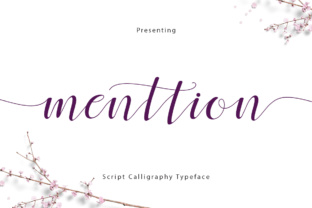
Discover Menttion Script: The Handwritten Font for Modern Creators
There’s a moment in every creative project when you realize the typography isn’t just holding the words—it’s telling the story. You’ve nailed the color palette, the imagery is strong, but something feels… generic. That’s where the right typeface steps in, transforming a layout from competent to compelling. For designers, entrepreneurs, and creators seeking that authentic, human touch, a font like Menttion Script offers a solution that’s both visually striking and remarkably versatile.
Mention Script isn’t just another handwritten font. It’s a carefully crafted tool designed to bring warmth, personality, and a touch of elegance to a wide range of applications. What sets it apart is its thoughtful design: beautiful, flowing letterforms paired with a rich set of swashes and alternates. This means you’re not just getting a single style, but a whole family of stylistic options that can adapt to the specific mood and context of your project. The fact that it’s PUA encoded is a practical bonus, ensuring those special characters and swashes are easily accessible across different design software, which is a real time-saver for working professionals.
Where Authenticity Meets Application
The true value of a creative font like this lies in its ability to bridge the gap between a brand’s personality and its audience. Think about the last time a social media graphic or a product label caught your eye. Chances are, the typography played a crucial role in creating that immediate, emotional connection. A script font with handwritten qualities instantly conveys approachability, creativity, and a personal touch—qualities that are gold for small businesses and content creators looking to stand out.
Let’s break down where this kind of typeface truly shines. For brand identity and logo design, a font with character can become the cornerstone of a visual system. Imagine a boutique bakery, a wedding planner, or a handmade jewelry brand using a style from Menttion Script in their logo. It sets a tone before a single word of copy is read. It’s equally powerful for packaging design, where a handwritten script can make a product feel bespoke and high-quality, directly on the shelf or in an online store photo.
Moving to digital spaces, this font excels in creating engaging social media graphics. Instagram stories, quote cards, and promotional posts benefit enormously from typography that feels personal and shareable. For bloggers and website owners, using a script font sparingly for headings, pull quotes, or featured text can break the monotony of standard body copy, guiding the reader’s eye and adding visual interest. It’s a strategic tool for improving readability and audience engagement by creating hierarchy and emphasis.
Beyond the Screen: Print and Physical Products
The applications extend far beyond the digital realm. For print materials like business cards, thank-you notes, or menus, a premium handwritten font adds a tactile quality that reinforces brand care and attention to detail. Event-based projects like invitations for weddings, parties, or corporate launches are a natural fit. The script style sets the event’s tone—whether it’s romantic, celebratory, or sophisticated—right from the envelope.
For those in editorial design, such as magazine layouts, book covers, or lookbooks, a display script can be used for impactful titles and subheadings, creating a strong visual rhythm on the page. Merchandise is another fantastic avenue. Think about tote bags, mugs, or apparel where a catchy phrase rendered in a dynamic, swash-filled script becomes the design itself. It turns a simple item into a statement piece.
Making It Work: Practical Typography Advice
Having a stunning font is one thing; using it effectively is another. Here’s some practical guidance to ensure your typography works as hard as you do.
First, consider readability. A script font, no matter how beautiful, should be used thoughtfully. It’s perfect for headlines, short phrases, and accent text, but for longer paragraphs of body copy, it’s best to pair it with a clean sans serif font or a legible serif font. This contrast creates a balanced, professional presentation that’s easy on the eyes. Test your font pairings at the actual size they’ll be viewed—a pairing that looks great on a large monitor might become muddy on a mobile screen.
Second, match the font’s personality to your project’s goal. The swashes and alternates in a font like Menttion Script give you options. A more restrained letterform might suit a professional service business, while an elaborate swash could be perfect for a luxury product or a festive invitation. Don’t feel obligated to use every stylistic flourish; select the ones that enhance your message, not distract from it.
Third, explore the full range of included styles. A well-designed font package often includes more than just the base script. There might be a more casual variant, a bold version for extra emphasis, or a set of ornaments. Taking the time to review all the font styles included in your purchase ensures you’re leveraging the full value of your design asset.
Finally, a word on licensing. If you’re using the font for commercial projects—which includes client work, merchandise for sale, or monetized content—ensure you have the appropriate commercial font license. Reputable foundries and marketplaces make this clear. It’s a small but critical step to protect your work and your business.
In the end, choosing a typeface is about finding a voice for your visual communication. A versatile script font like Menttion Script offers a unique blend of artistry and utility. It provides the tools to inject genuine personality into your work, helping to build stronger brand recognition, create more engaging marketing assets, and produce designs that feel both professional and profoundly human. The right typography doesn’t just display words; it elevates them.