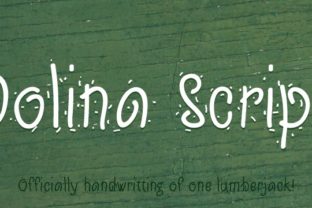
Dolina Script: Crafting Visual Identity with Authenticity
Imagine a design project that feels less like a template and more like a handwritten conversation, one that carries both professional polish and human warmth. This is the precise impact a resource like Dolina Script can offer, transforming standard layouts into memorable visual narratives. In the crowded landscape of digital content, distinctive typography is a powerful tool for capturing attention and conveying personality.
Understanding Dolina Script in Modern Design
Dolina Script represents a specific category of typography that balances handwritten authenticity with digital clarity. Its value in contemporary graphic design lies in its ability to evoke emotion, create hierarchy, and inject a personal touch into otherwise sterile compositions. For designers focused on branding, such a script can be the cornerstone of a brand identity that feels approachable, artisanal, or luxury, depending on its execution.
The role of a script font extends beyond mere decoration. It becomes a critical element in visual communication, guiding the viewer's eye and setting the tonal foundation for a project. When integrated thoughtfully, it enhances user engagement by breaking visual monotony and adding a layer of crafted detail that generic sans-serifs cannot replicate.
Practical Applications for Creative Projects
The versatility of a well-designed script font allows it to shine across numerous applications. Here’s how Dolina Script can be leveraged in real-world scenarios:
- Branding and Logo Design: Use it for wordmarks or monograms where a signature feel is desired. It can instantly communicate a brand's story, whether it's for a boutique bakery, a creative studio, or a premium product line.
- Packaging Design: On labels, jars, or boxes, a script font adds a tactile, artisanal quality. It can make a product feel handmade and special, enhancing shelf appeal and perceived value.
- Social Media Graphics: In the fast-scroll of feeds, a distinctive script header or pull quote can stop the thumb. It adds visual variety and can help a brand's content stand out with a consistent visual style.
- Editorial and Web Layouts: For magazine features, blog headers, or website hero sections, a script can create a dramatic visual hierarchy. It draws the eye to key headlines or quotes, improving the overall user experience by making content more scannable and engaging.
- Merchandise and Digital Products: From tote bags to e-book covers, script typography lends an air of exclusivity and design sophistication, making everyday items feel curated.
Integrating Script Fonts Effectively
While the allure of a beautiful script is strong, its successful integration requires strategic thinking. Consider these principles to maintain professional presentation:
- Prioritize Readability: The most artistic script fails if it can't be read. Test it at various sizes, especially for body text or crucial information like contact details. Use it sparingly for headlines or accents where its character can be appreciated without hindering comprehension.
- Maintain Consistency: A script font should complement, not clash with, your primary typefaces. Establish a clear typographic system—pair Dolina Script with a clean, neutral sans-serif for body text to create balance within your color palette and overall layout.
- Know Your Audience: Script styles vary widely from formal calligraphy to casual handwriting. Ensure the font's personality aligns with your audience's expectations and the project's goals, whether it's for UI design, print design, or digital marketing collateral.
- Consider Scalability: Evaluate how the font renders across different mediums—from a tiny favicon to a large-scale poster. Quality creative assets are designed to perform well in various contexts, ensuring your design workflow remains efficient.
Ultimately, the choice of typography is a fundamental design decision that shapes perception. A resource like Dolina Script, when chosen with intent, becomes more than just a decorative element; it becomes a vital part of the project's voice. By focusing on strategic application, consistency, and audience resonance, designers can harness such tools to create work that is not only visually compelling but also communicatively effective, elevating both the aesthetics and the core message of any creative endeavor.